
You’d think the truth was easier to come by in a small town. Everything’s slower, everyone knows each other, and the gossip flows faster than traffic. But truth isn’t always about what’s said—it’s about what’s silenced.
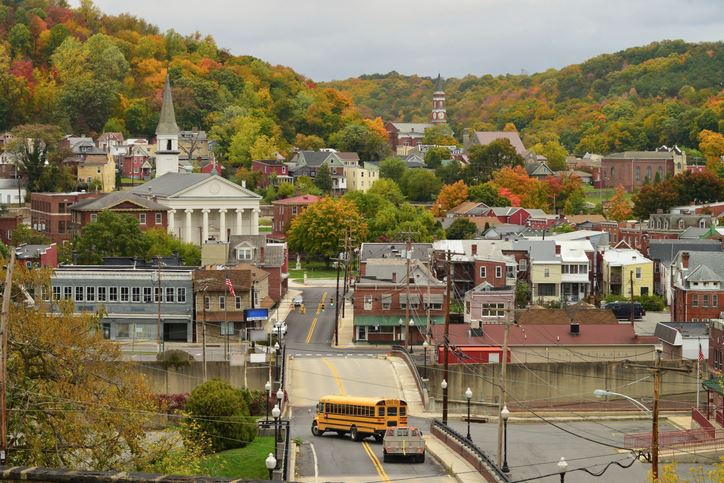
I didn’t grow up in that town. I grew up in Baltimore, in concrete and sirens and buses that barely ran on time. But I was sent there one summer to live with my cousin’s family when things got rough at home. That town—three traffic lights, one post office, and a diner called Penny’s felt like a different planet. But what struck me most wasn’t the quiet. It was how people avoided certain kinds of noise.
There was a kid named Reggie. Brown-skinned, bookish, quiet. His family had moved there two years earlier, trying to build something better after his mom’s health took a turn. He didn’t play football, didn’t joke loud in class, didn’t have the right name or clothes. The town didn’t dislike him outright—they just… didn’t see him. Not really.
But I did. I saw how the teacher cut him off when he spoke. How he got followed around the gas station. How he stopped raising his hand altogether.
One day, after someone spray-painted slurs on his locker, the principal called it “a prank.” Said boys would be boys. That was the day I learned that silence can be violent. That pretending not to see something is a lie told in fear.
I spoke up. I asked why no one was doing anything. I wrote a letter in the school newspaper, and it got me shunned, side-eyed, and eventually, sent home early. But Reggie’s mom told me, “You didn’t save him, but you told the truth. And that matters.”
The truth isn’t always welcome in small towns. Especially when it challenges comfort, but sometimes, a kid from the city can remind folks that comfort and justice don’t always live on the same block.